

The Thrill of the Game
Casinos are designed to create an exhilarating atmosphere that stimulates the senses. The combination of flashing lights, ringing machines, and the buzz of excitement from fellow players contributes to a unique psychological experience that captures the attention of visitors. This environment promotes a sense of euphoria, which can lead players to make impulsive decisions, often fueled by the anticipation of winning. Additionally, many players are drawn to various sports betting promotions, enhancing their excitement and willingness to engage with the games.
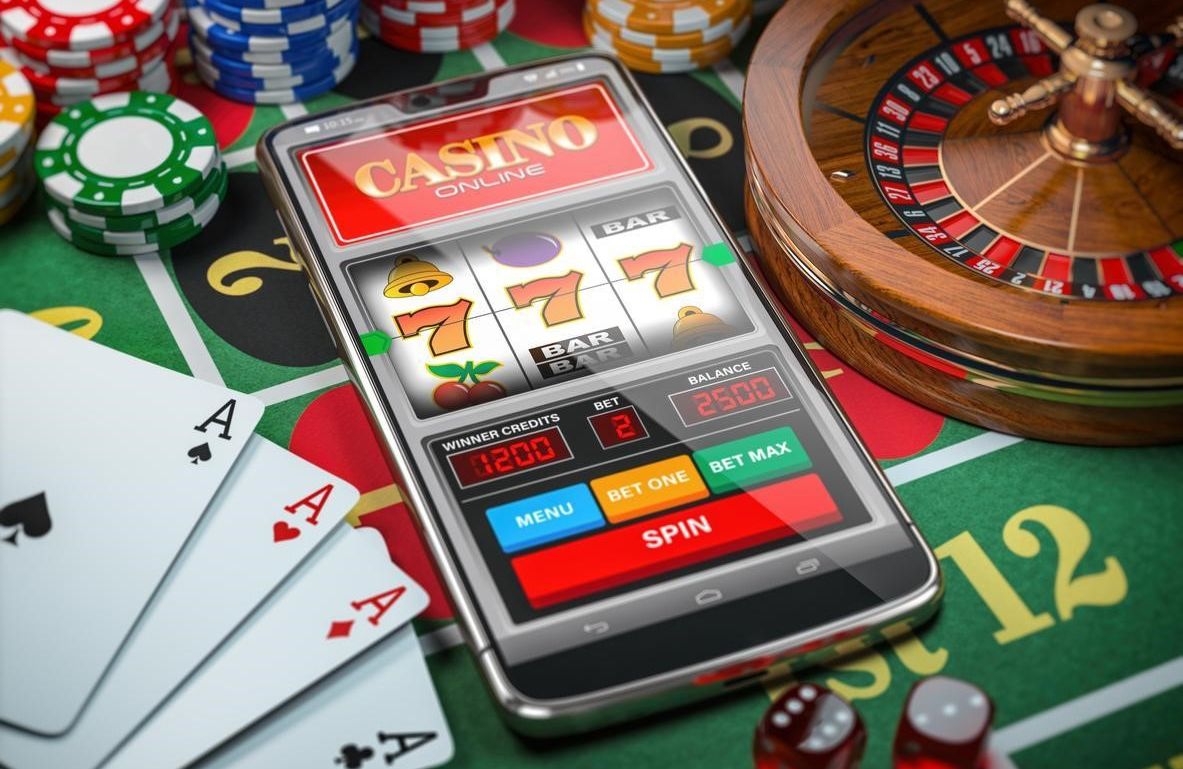
Moreover, the unpredictable nature of casino games plays a crucial role in attracting players. The uncertainty of outcomes keeps individuals on the edge of their seats, as they crave the adrenaline rush associated with potential wins. This unpredictability can enhance the enjoyment factor, creating a psychological reward system that keeps players coming back for more.
The Role of Cognitive Biases
Cognitive biases significantly influence how players perceive their chances of winning at casinos. One common bias is the “Gambler’s Fallacy,” where players believe that past outcomes affect future results. For instance, if a player observes several losses, they might convince themselves that a win is ‘due,’ impacting their betting behavior and increasing their spending.
Another prevalent bias is the “Illusion of Control,” where players believe they can influence the outcome of a game through their actions, even in games of pure chance. This mindset can lead to increased engagement and higher stakes, as players feel empowered despite the randomness of the games.
The Excitement of Near Misses
One fascinating aspect of casino psychology is the concept of near misses. When players almost win a game, it can trigger a psychological response similar to that of a win. This feeling of being so close to success can be incredibly motivating, encouraging players to continue playing in hopes of achieving that elusive victory.
Near misses exploit the brain’s reward system, leading individuals to rationalize their losses and maintain a hopeful outlook. This psychological trickery can extend a player’s gaming session, making them more likely to spend additional money in pursuit of that elusive win.
The Social Aspect of Gambling
Gambling is not merely an individual activity; it often incorporates a powerful social element. Many players enjoy the camaraderie found in casinos, developing connections with fellow gamblers. This social interaction can enhance the overall experience, as sharing wins and losses can lead to feelings of belonging and community.
The social environment can also affect decision-making. Players may feel compelled to increase their bets or engage in riskier behavior due to the influence of others around them. The desire to impress peers or maintain a social status can lead to significant financial repercussions, reinforcing the importance of understanding the psychological drivers behind one’s actions.
Accessing Resources for Responsible Gambling
Understanding the psychology of gambling helps players recognize their behaviors and make informed decisions. Websites dedicated to gambling provide valuable resources for individuals looking to explore their gaming habits more deeply. For instance, some sites focus on responsible gambling practices, offering tools to help users manage their playtime and spending effectively.
In addition, addressing potential access issues, such as being blocked from resources like mylvad.com, can further enhance player experiences. Offering transparency regarding security measures and providing support can ensure that players have the necessary tools to navigate the gaming landscape safely and responsibly.
Recent Comments